
A Comprehensive Guide to Telecommunication Service Installation


Understanding Telecommunication Service Installation
Telecommunication service installation is a crucial step in connecting homes and businesses to the digital world. With the rapid advancements in technology, understanding the installation process ensures that you can make informed decisions and avoid potential pitfalls. This guide will walk you through the essential aspects of telecommunication service installation, from initial planning to final setup.
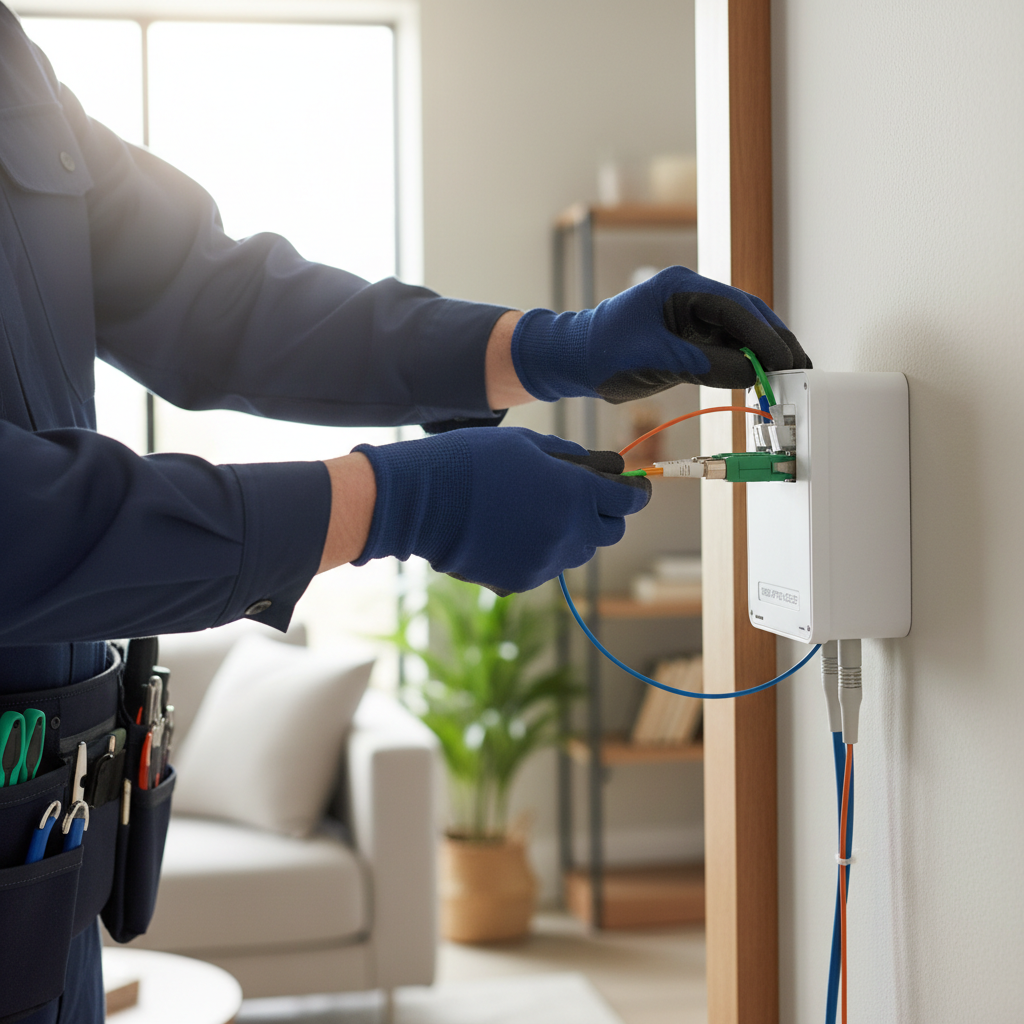
Types of Telecommunication Services
There are several types of telecommunication services available, each serving different needs. The most common include:
- Broadband Internet: High-speed internet services are essential for both personal and business use.
- VoIP: Voice over Internet Protocol allows you to make calls using the internet rather than traditional phone lines.
- Cable Television: Offers a wide range of channels and on-demand content.
Each service has its unique installation requirements, making it important to understand what you need before starting the process.
Preparing for Installation
Preparation is key to a smooth installation process. Here are some steps to consider:
- Choose the Right Provider: Research different service providers to find the one that best suits your needs.
- Schedule a Site Survey: This helps assess the location for any specific requirements or potential challenges.
- Check Equipment Compatibility: Ensure that your existing equipment is compatible with the new service.
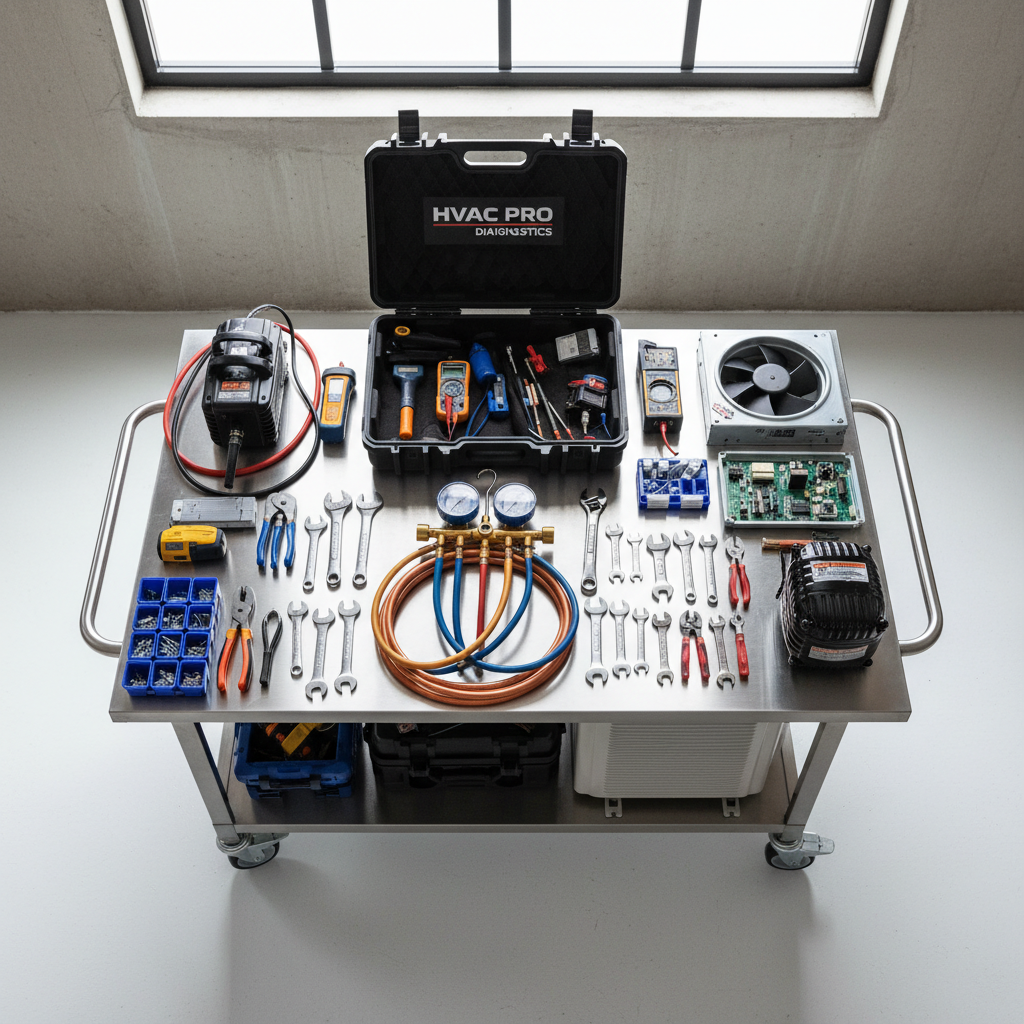
The Installation Process
The installation process usually involves several steps, starting with the arrival of the technician at your location. Here's what you can expect:
- Site Assessment: The technician will evaluate the site to determine the best way to install the service.
- Wiring and Setup: Necessary wiring will be done, and equipment will be set up according to your service plan.
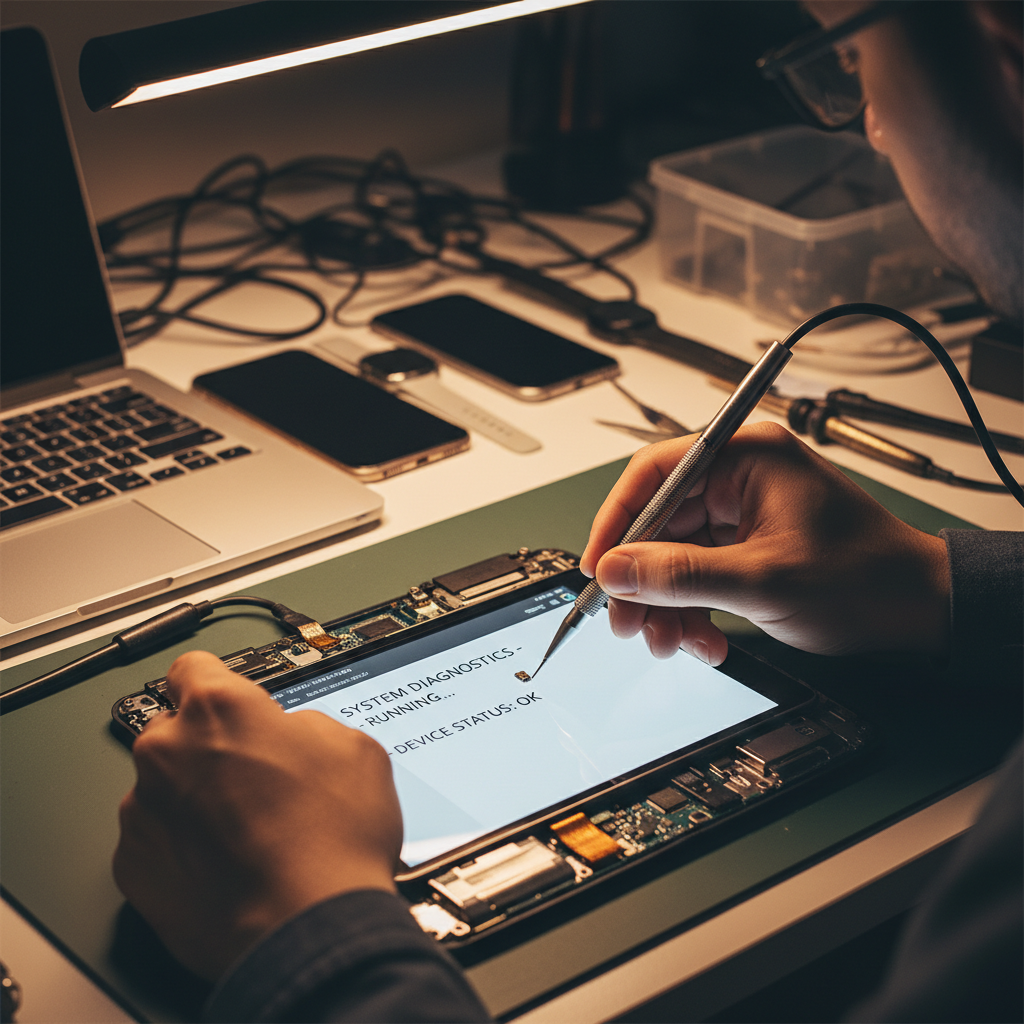
- Testing: Once installed, the technician will test the service to ensure everything is working correctly.
It's important to be present during the installation to address any questions or concerns that may arise.
Post-Installation Tips
After the installation is complete, there are a few things you should do to ensure everything continues to run smoothly:
- Review the Setup: Double-check that all equipment is correctly installed and functioning.
- Understand the Controls: Familiarize yourself with the controls and settings of your new equipment.
- Save Support Contacts: Keep the contact information of your service provider handy in case you need assistance.
Common Challenges and Solutions
Even with careful preparation, challenges can arise during telecommunication service installation. Common issues include connectivity problems, equipment incompatibility, and signal interference. To address these challenges, ensure that:
- All equipment is updated: Keeping your equipment updated can prevent compatibility issues.
- Signal boosters are used: If you're experiencing weak signals, consider using boosters to enhance connectivity.
- Professional support is available: Don’t hesitate to contact your service provider for troubleshooting assistance.
By understanding the installation process and being prepared, you can enjoy seamless telecommunication services tailored to your needs.