
Understanding Telecommunication Trends: What to Expect Next


Introduction to Telecommunication Trends
The telecommunication industry is evolving rapidly, driven by technological advancements and changing consumer demands. As we look to the future, understanding these trends is crucial for businesses and consumers alike. In this blog post, we'll explore some key trends that are shaping the future of telecommunications.

The Rise of 5G Networks
One of the most significant developments in telecommunications is the rollout of 5G networks. This next-generation technology promises faster speeds, lower latency, and more reliable connections. As 5G becomes more widespread, it will enable new applications such as autonomous vehicles, smart cities, and enhanced virtual reality experiences.
Businesses can leverage 5G to improve operations, enhance customer experiences, and unlock new revenue streams. However, they must also be prepared to invest in new infrastructure and address potential security concerns associated with this technology.
Impact on Mobile Devices
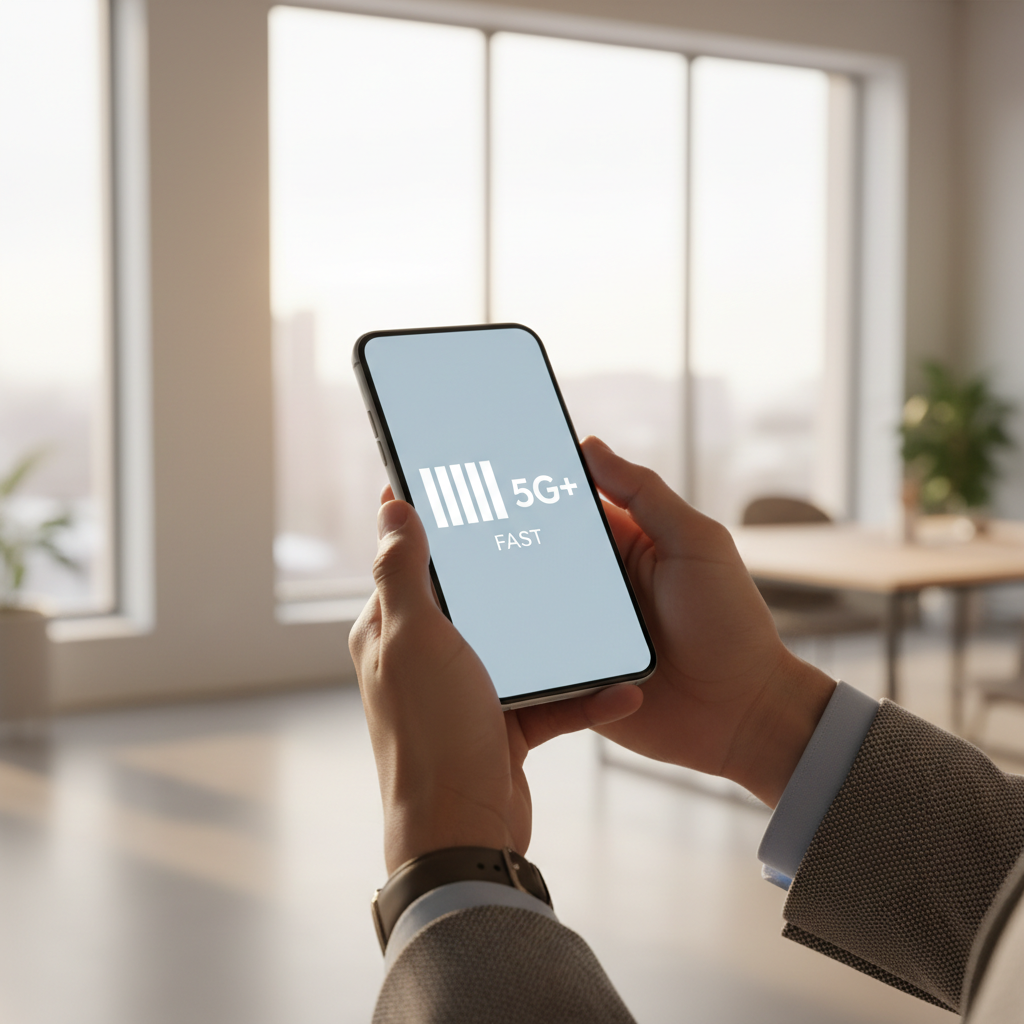
With the advent of 5G, mobile devices are expected to become more powerful and capable. Consumers will benefit from seamless streaming, faster downloads, and improved connectivity. This will likely lead to increased mobile usage and a shift towards mobile-first strategies for many businesses.
Advancements in IoT
The Internet of Things (IoT) is another area experiencing rapid growth. As more devices become interconnected, businesses can gather valuable data to optimize operations and enhance customer experiences. From smart homes to industrial applications, IoT is transforming how we interact with technology.
Companies need to focus on data security and privacy concerns as IoT devices proliferate. Implementing robust security measures will be essential to protect sensitive information and maintain consumer trust.
IoT in Various Sectors
IoT is making its mark across various sectors, including healthcare, agriculture, and manufacturing. In healthcare, wearable devices can monitor patient health in real-time, leading to better patient outcomes. In agriculture, IoT sensors can optimize irrigation and monitor crop health, increasing efficiency and yields.

The Role of Artificial Intelligence
Artificial Intelligence (AI) is playing an increasingly important role in telecommunications. AI-powered analytics can help telecom companies optimize networks, predict maintenance needs, and deliver personalized customer experiences. As AI technology advances, its impact on telecommunications will only grow.
Telecom providers are utilizing AI for customer service as well, employing chatbots and virtual assistants to handle routine inquiries and improve customer satisfaction.
Challenges and Opportunities
While AI offers numerous benefits, it also presents challenges. Companies must address ethical concerns, such as data privacy and algorithmic bias, to ensure responsible AI deployment. By doing so, telecom providers can harness AI's potential to drive innovation and growth.

Conclusion
The future of telecommunications is exciting, with numerous trends reshaping the landscape. From 5G networks to IoT and AI, these advancements offer both opportunities and challenges. By staying informed and adapting to these changes, businesses and consumers can fully leverage the potential of new telecommunication technologies.
As these trends continue to evolve, keeping an eye on the latest developments will be crucial. Whether you're a business leader or a tech enthusiast, understanding these trends will help you navigate the future of telecommunications.