
Understanding the Latest Trends in Telecommunications Technology


The Evolution of 5G Networks
The rollout of 5G networks is one of the most significant advancements in telecommunications technology. This next-generation technology promises faster data speeds, reduced latency, and the ability to connect more devices simultaneously. As more countries deploy 5G infrastructure, businesses and consumers alike can expect a transformation in how they connect and interact with technology.
One of the main benefits of 5G is its capability to support the growing Internet of Things (IoT). With the ability to connect billions of devices seamlessly, 5G is set to revolutionize industries such as healthcare, automotive, and smart cities.

Network Virtualization
Network virtualization is another trend reshaping the telecommunications landscape. By decoupling network services from hardware, companies can create more flexible and efficient networks. This change allows for faster deployment of services, reduced costs, and improved scalability.
Through technologies like Network Functions Virtualization (NFV) and Software-Defined Networking (SDN), telecom providers can offer more customized and dynamic services, adapting quickly to changing market demands.
Artificial Intelligence in Telecommunications
Artificial Intelligence (AI) is playing an increasingly critical role in telecommunications. From optimizing network performance to enhancing customer service through chatbots, AI is driving efficiency and innovation. AI algorithms analyze vast amounts of data to predict network failures, allowing for proactive maintenance and minimizing downtime.

Enhancing Customer Experience
AI is also transforming the customer experience in telecommunications. By utilizing AI-driven insights, companies can offer personalized service recommendations and 24/7 customer support via virtual assistants. This not only improves customer satisfaction but also reduces operational costs.
Moreover, AI is being used to combat fraud and improve security, making telecommunications networks safer for users worldwide.
The Rise of Edge Computing
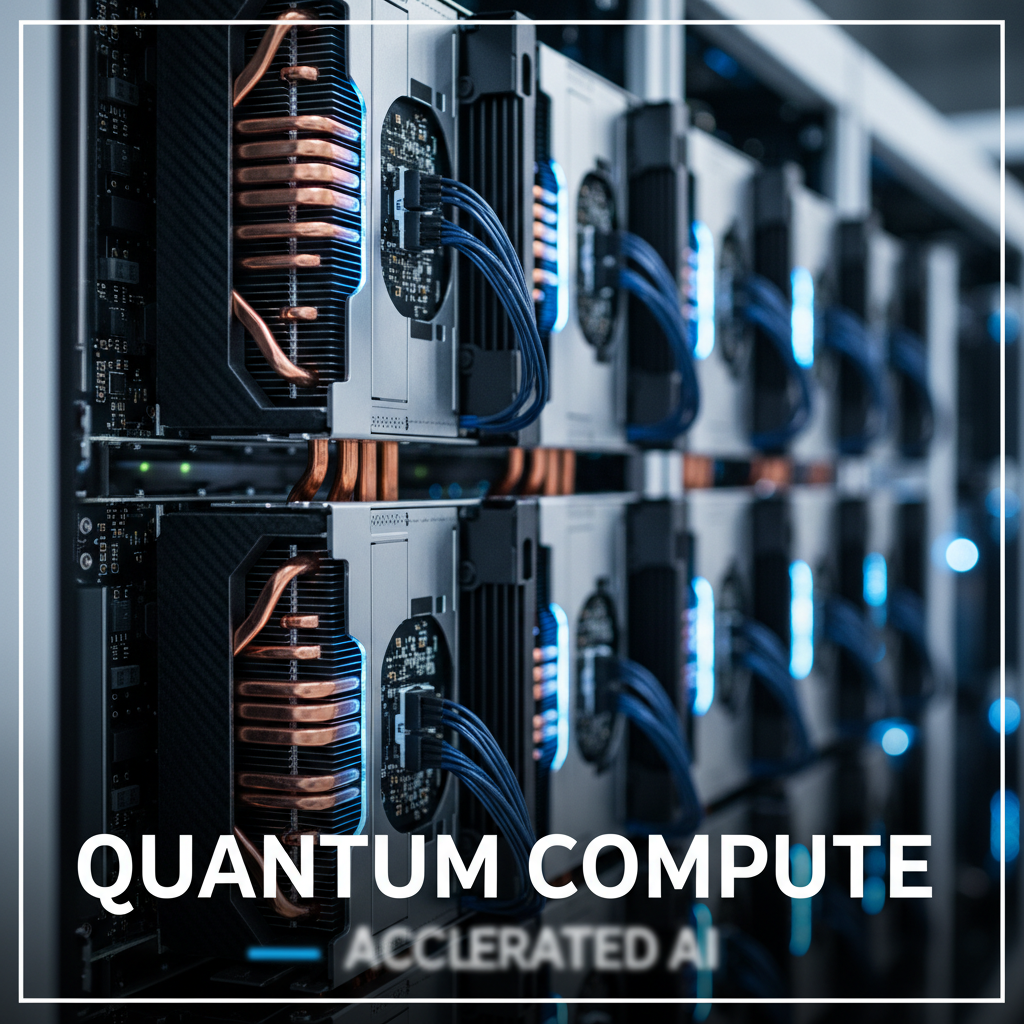
Edge computing is emerging as a crucial trend, particularly in the context of 5G and IoT. By processing data closer to the source, edge computing reduces latency and enhances real-time data processing capabilities. This is vital for applications that require immediate data analysis, such as autonomous vehicles and remote healthcare monitoring.
Impact on Data Management
With edge computing, telecommunications companies can manage data more effectively, reducing the burden on centralized data centers. This not only improves network efficiency but also enhances data privacy and security by minimizing data transfer over long distances.
As edge computing technology continues to evolve, it will play a pivotal role in supporting the next wave of digital transformation across various industries.